Start here · Planning your event
10 Mistakes Conference Organizers Make When Hiring Interpreters
Avoid common pitfalls in hiring conference interpreters. Learn the top 10 mistakes to ensure smooth communication and event success.
Resources
Practical guides on simultaneous interpretation, equipment, remote and hybrid meetings, and working with conference interpreters, written by the team that staffs and equips events.
89 articles · 6 topics · written by the team that staffs and equips events
Avoid common pitfalls in hiring conference interpreters. Learn the top 10 mistakes to ensure smooth communication and event success.
One evergreen guide from each topic. Read them in order, or jump to the one that matches your next decision.
Planning your event
Avoid common pitfalls in hiring conference interpreters. Learn the top 10 mistakes to ensure smooth communication and event success.
Simultaneous and consecutive interpretation
Explore the differences between consecutive and simultaneous interpreting for multilingual events. Choose the best approach with expert guidance from TE.
Equipment, rental, and sale
Explore benefits & factors for choosing between purchasing or renting simultaneous interpretation equipment for your conference. Get expert insights from TE.
Remote and hybrid events
How remote simultaneous interpretation (RSI) extends your event’s global reach: the benefits and how to implement it for multilingual audiences.
Interpreters and quality
Learn the importance of having at least two interpreters per language to ensure accuracy, peak performance, and uninterrupted communication at events.
Accessibility, captioning, and translation
Real-time captioning ensures accessibility by converting live speech into text, enhancing engagement for all audiences.
Every article sits in one primary topic, so you can find what you need without guessing at keywords.
How to scope, budget, and run a multilingual conference or meeting.
How each mode works, and which one fits your event.
Booths, receivers, headsets, and microphones, and whether to rent or buy.
Remote interpretation for virtual and hybrid sessions.
What good interpreting looks like, and how to check for it.
Captioning, language access, and translated materials.
New and recently updated guides, with the reading time up front.
Planning your event
How to plan interpretation for a conference: languages, delivery model, team and equipment size, venue, interpreter briefing, a timeline, and a checklist.
Remote and hybrid events
Simultaneous, consecutive, whispered, relay, and remote interpretation explained, with when to use each at a conference or meeting.
Equipment, rental, and sale
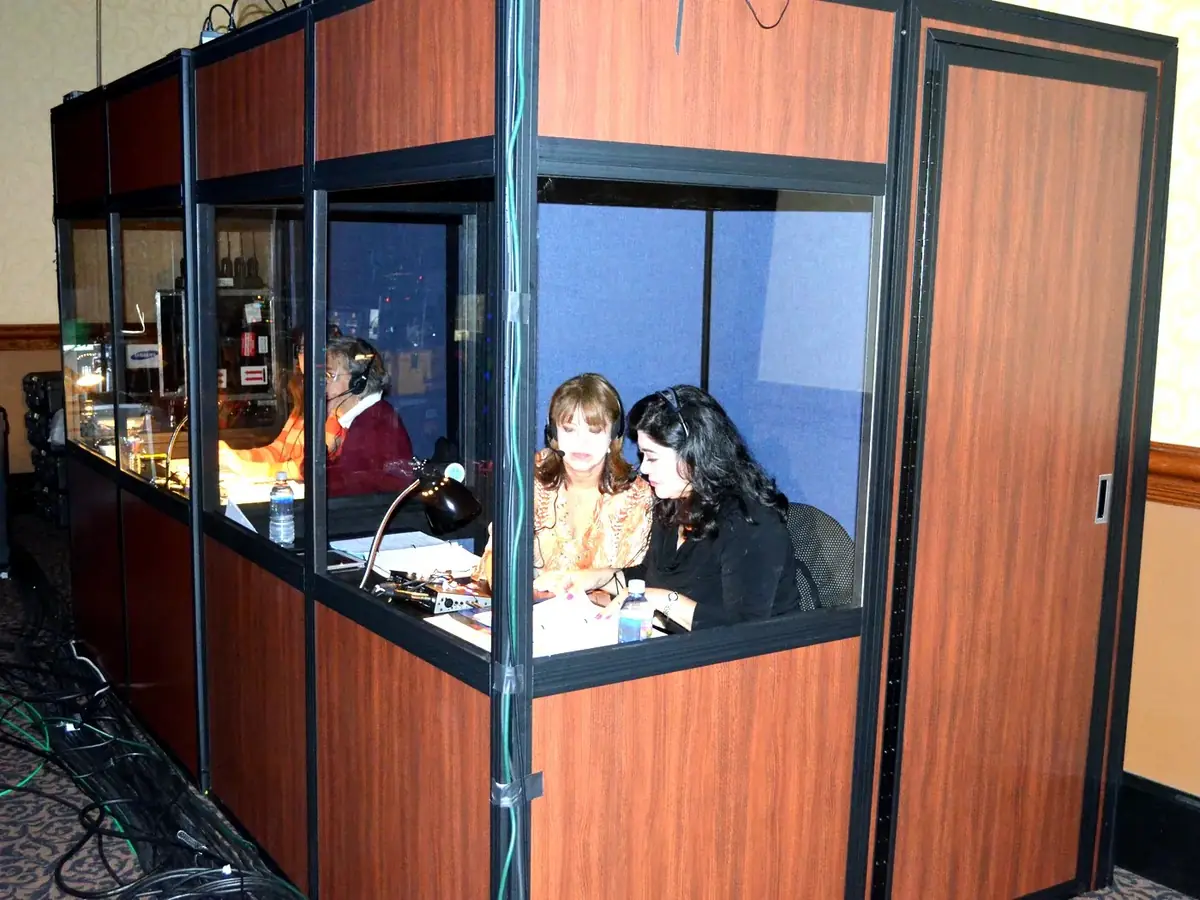
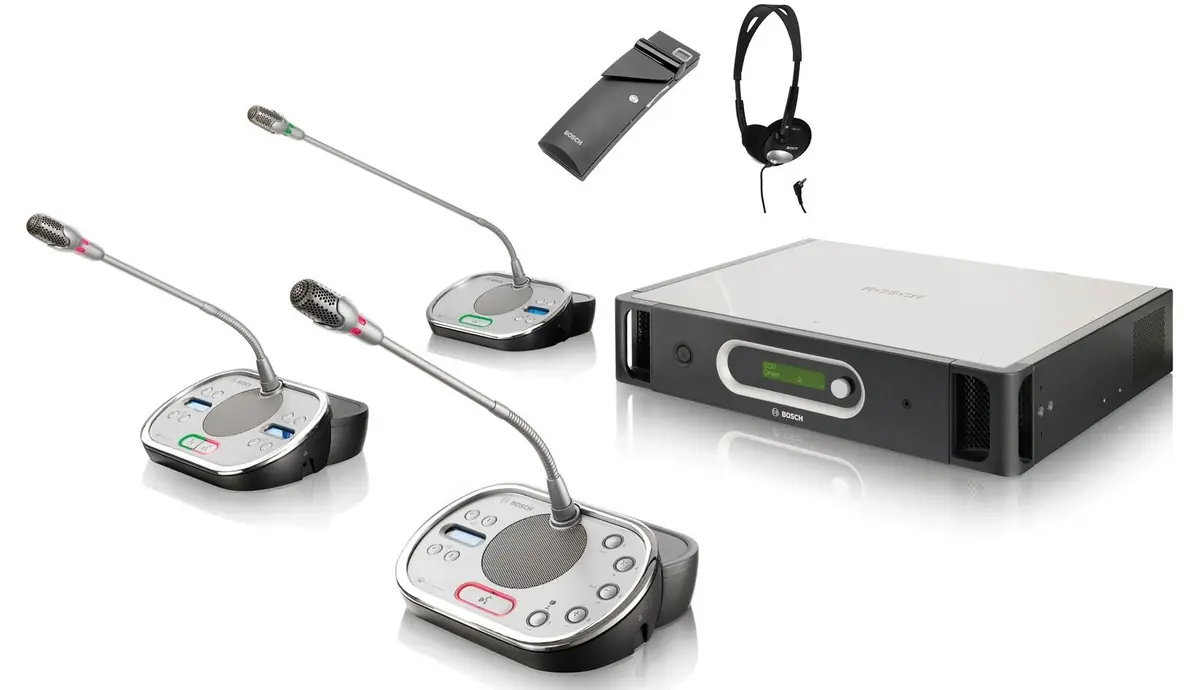
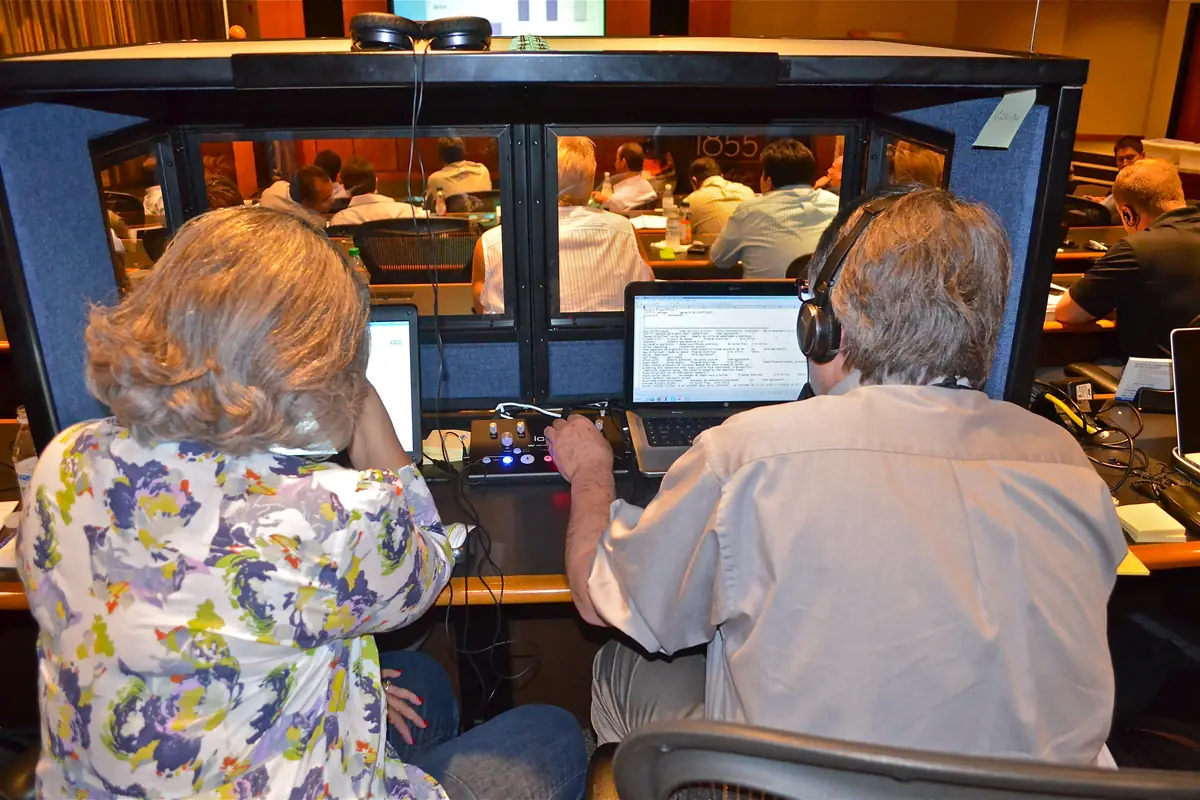
What simultaneous interpretation equipment includes, how booths are set up, and a checklist for rooms, power, sightlines, receivers, and testing.
Simultaneous and consecutive interpretation
When to use human interpreters and when AI interpretation tools fit at events. Accuracy, confidentiality, accountability, and a decision checklist.
Simultaneous and consecutive interpretation
What drives the cost of conference interpretation: languages, interpreters, rooms, equipment, travel, and timing. How quotes work and how to compare them.
Send the date, languages, and audience, and a planner will recommend the setup.
Request an event quoteSimultaneous and consecutive interpretation
Practice simultaneous interpretation with proven exercises, techniques, and tools that build real-time language skills and interpreter confidence.
Equipment, rental, and sale
Why reliable interpretation equipment matters for clear communication at multilingual events, and how to choose the right system for your program.
Interpreters and quality
What a professional conference interpreter does, the skills they bring, and what to expect when interpreters support a high-stakes multilingual event.
The full list, grouped the same way, for when you know what you are looking for.
Ten decisions to settle before you request a quote, in the order planners usually face them. Built from the questions we answer every week.
Simultaneous interpretation suits conferences and any session where the audience should listen in real time. Consecutive interpretation suits small meetings, site visits, and press events. We recommend one after we know your event.
It depends on how often you use the system. Organizations that host multilingual sessions regularly often recover the cost over time; occasional users usually do better renting. We can compare both for your schedule.
For simultaneous interpretation, plan at least two interpreters per language, who trade off through the session. We confirm the team size for your program in your quote.
As early as your program is set. More notice gives us a wider choice of interpreters for your subject, and we confirm equipment availability for your dates when you request a quote. If your event is close, call us.
Yes. For virtual sessions, or a rare language at an in-person event, interpreters join remotely and we feed their audio to the room.
Yes. We provide ASL interpreting and CART captioning, coordinated with your spoken-language interpretation.
Next step
Tell us the date, languages, and audience. We will recommend the interpreters, equipment, and support your program needs, and send a quote you can take to your budget holder.
We use cookies to run the site, to measure how it is used, and to see which ads and searches bring you here. You can accept all, keep only the necessary ones, or choose. Read our privacy policy.