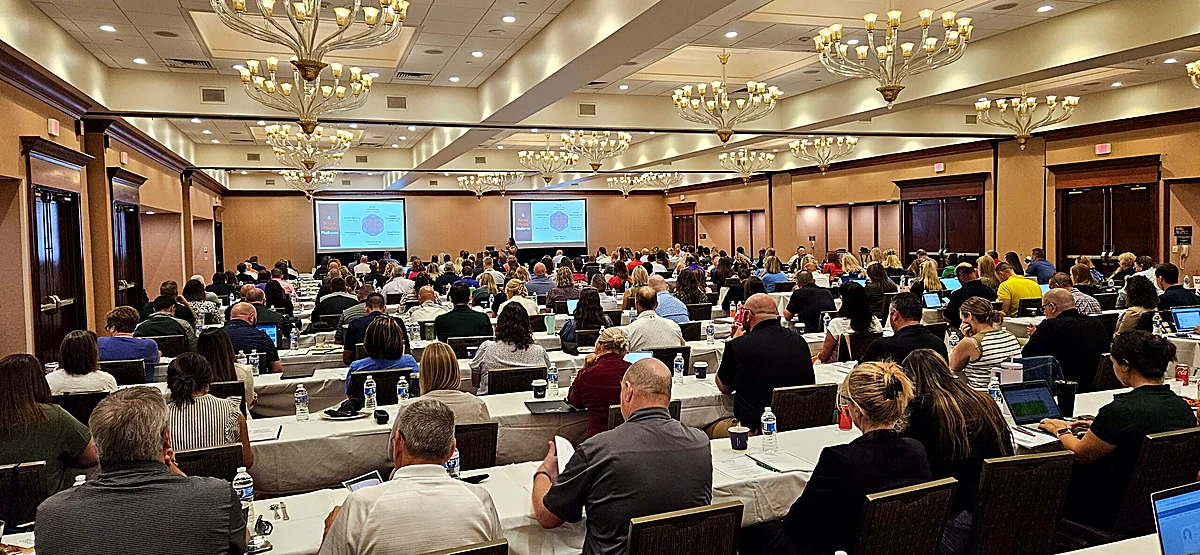
Will international attendees actually be able to follow the discussion?
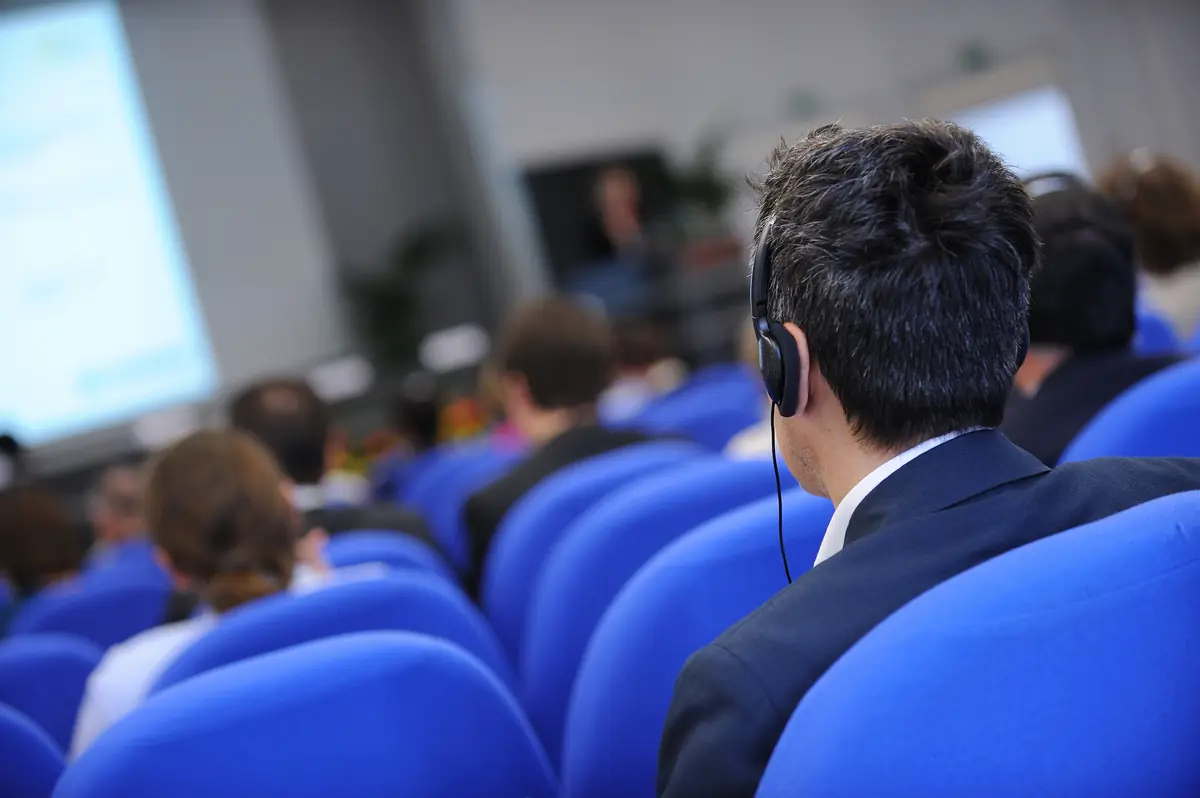
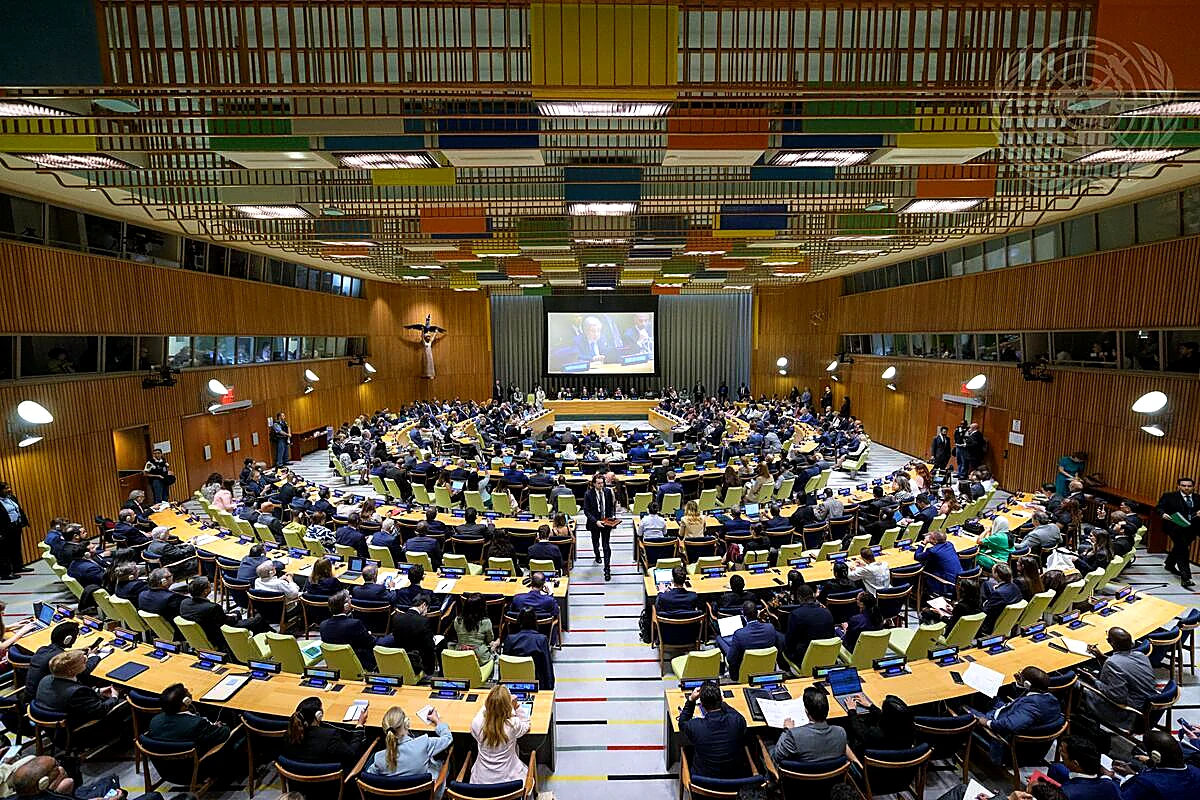
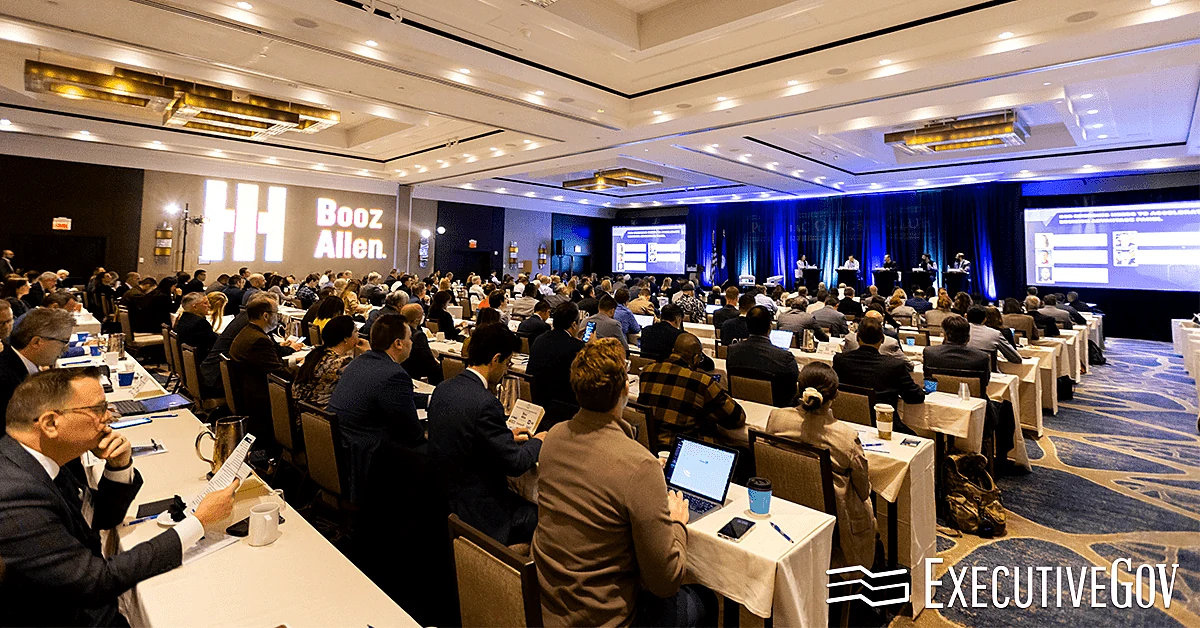
Simultaneous interpretation gives listeners the speaker’s words in their language with only a few seconds’ delay, so they can react, ask questions, and vote in real time. For smaller or interactive settings we may recommend consecutive interpreting instead. We advise on the mode that fits each session.
Can you find interpreters for our languages and our subject?
We select interpreters for the language combination and the subject matter: a trade forum gets interpreters who know trade terminology, a medical meeting gets interpreters who know clinical language. We ask for your agenda, slides, and speaker names early so the team can build glossaries before day one.
How many interpreters will my event need?
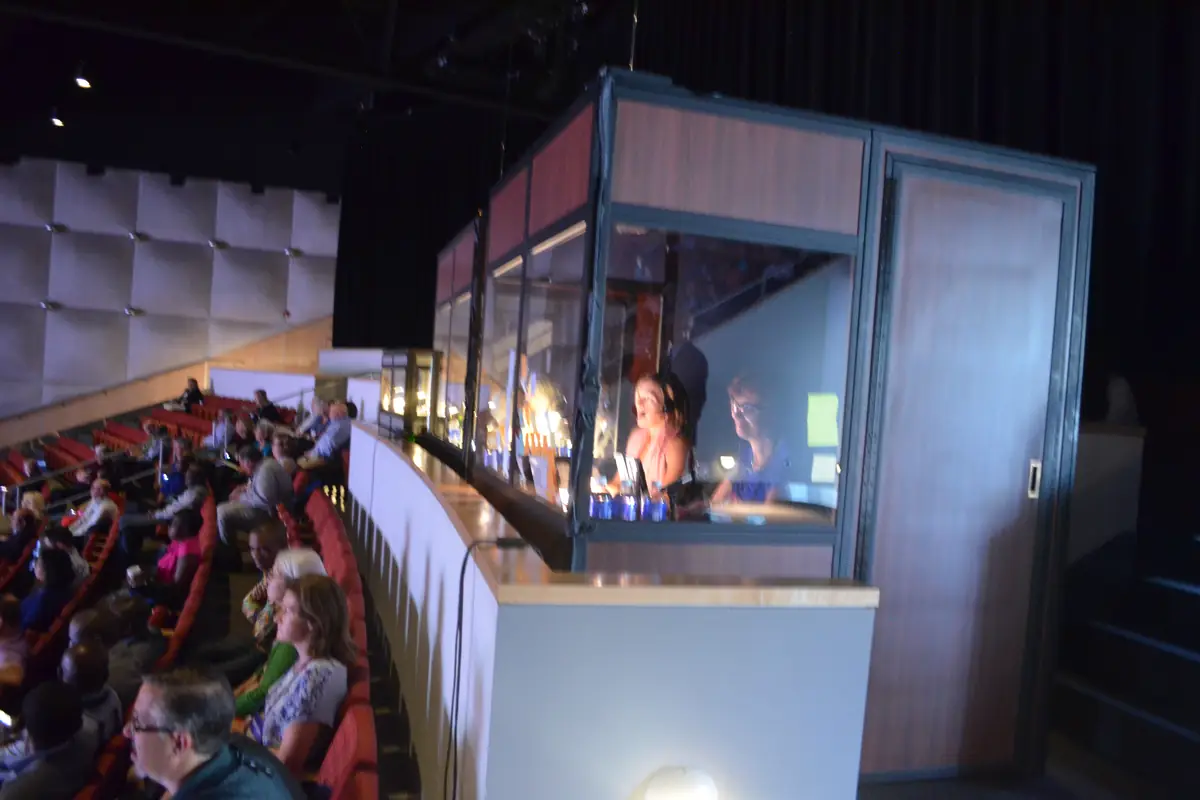
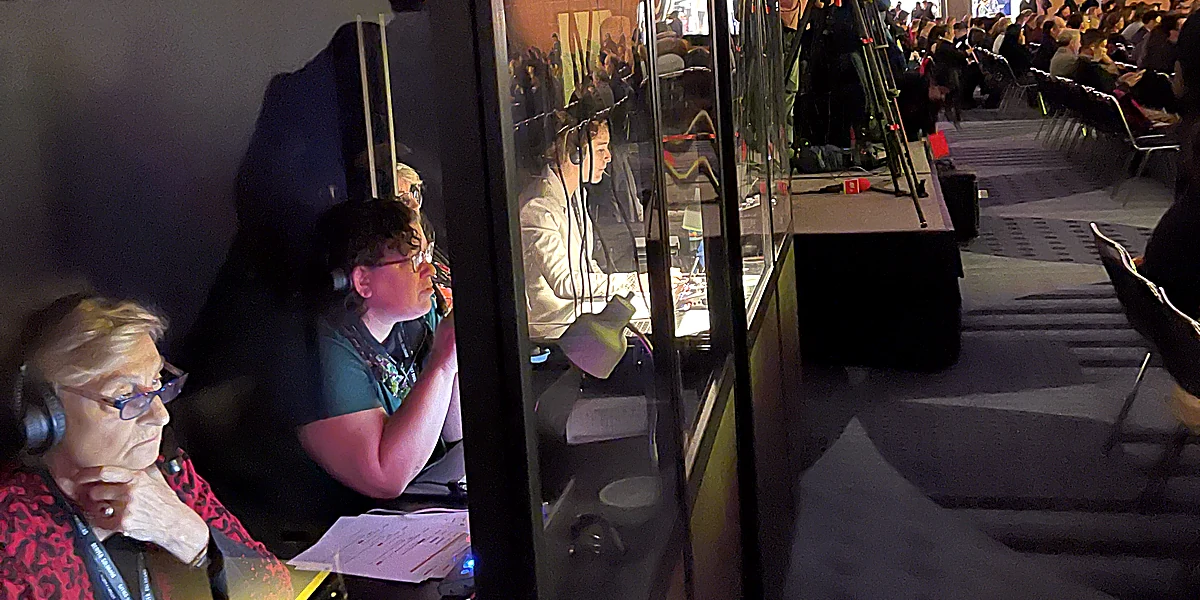
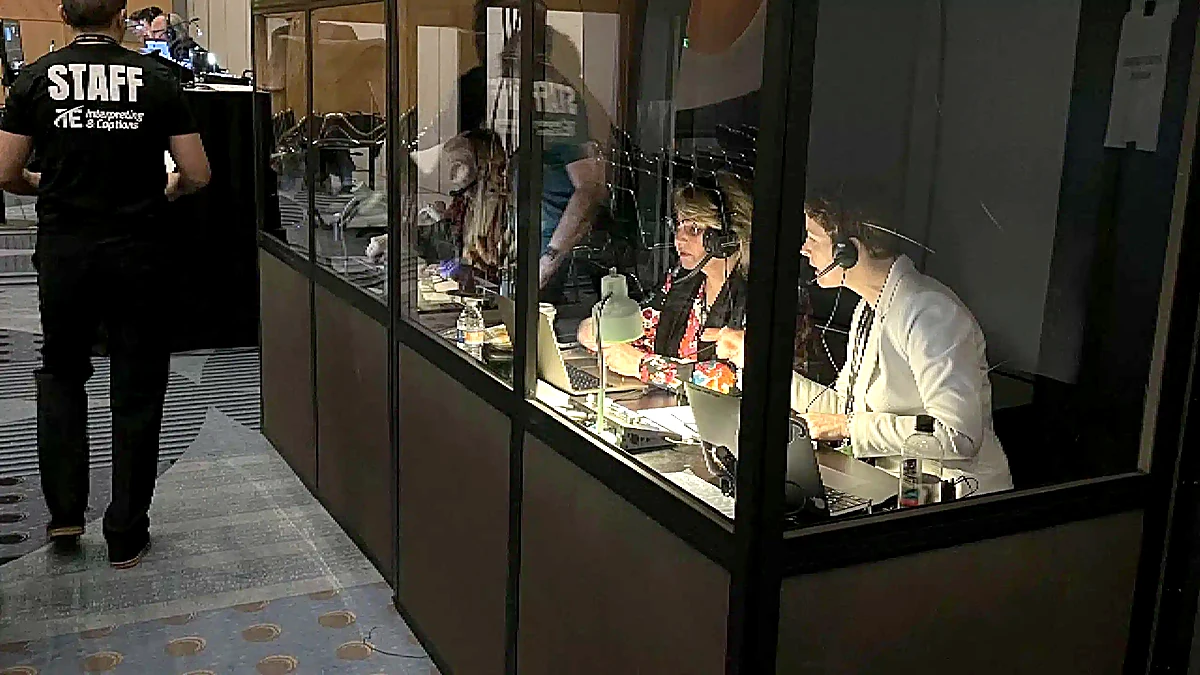
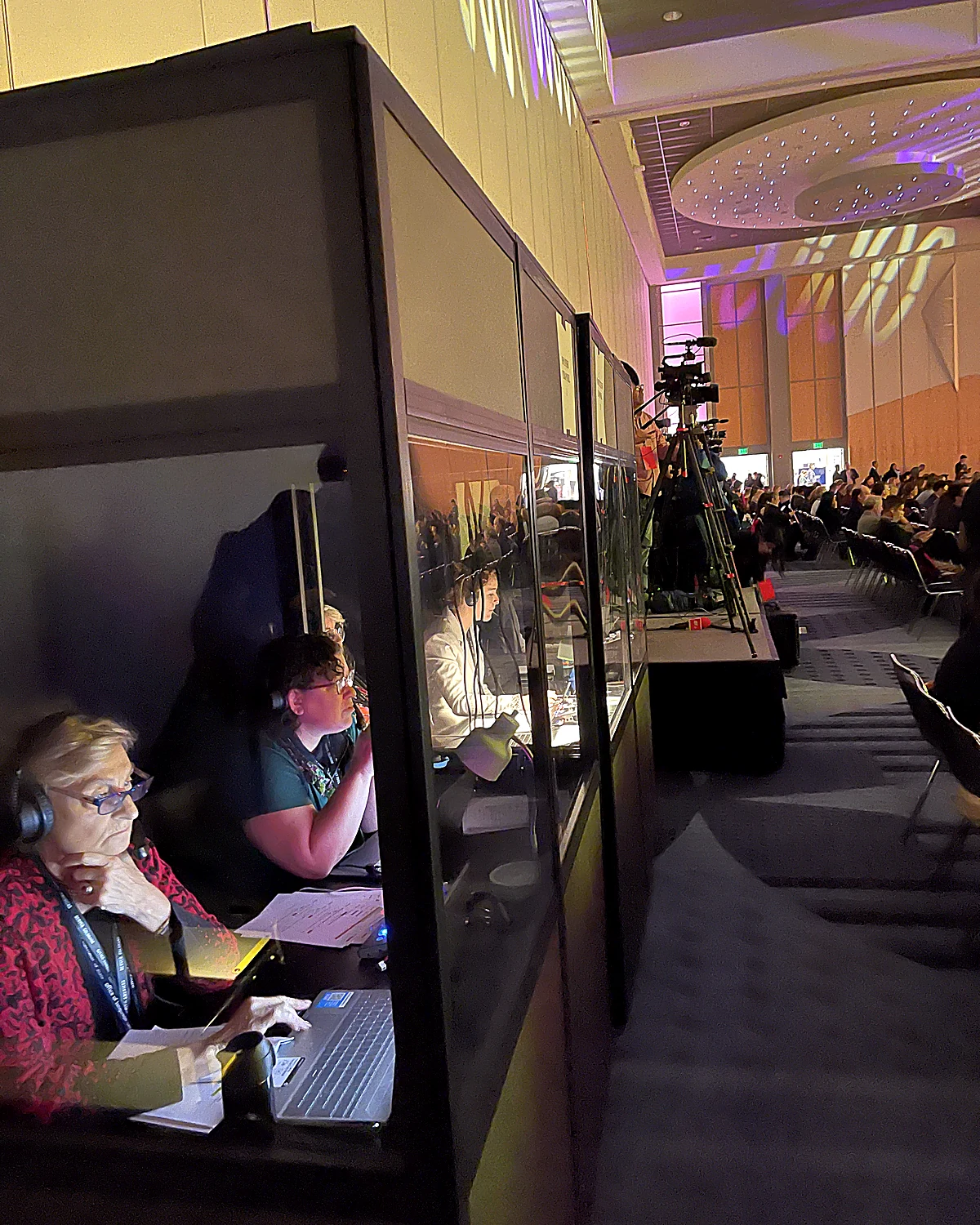
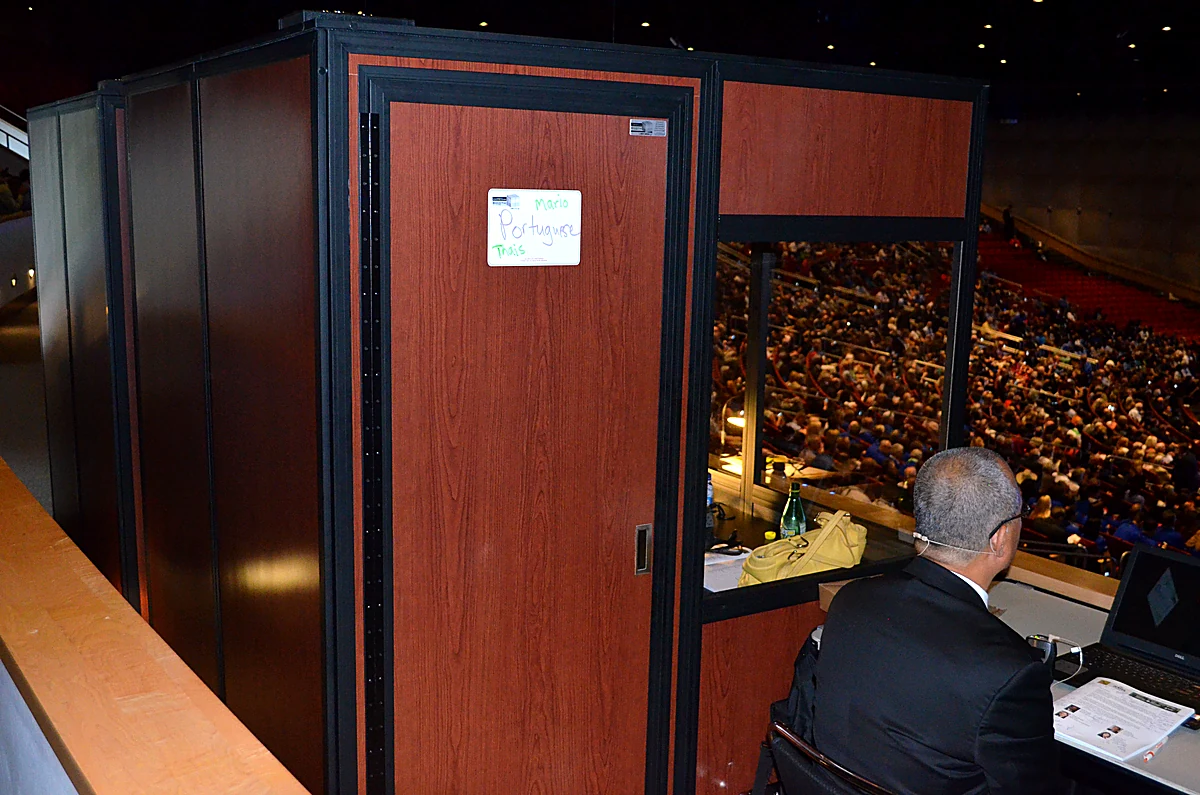
For simultaneous interpretation, plan on a team of two interpreters per language, per room. Simultaneous interpreting is demanding work, and partners hand off every 15 to 20 minutes so quality holds all day. Long days or very technical content can call for a third interpreter. We confirm team size in your quote.
What equipment do we need, and will it work in our venue?
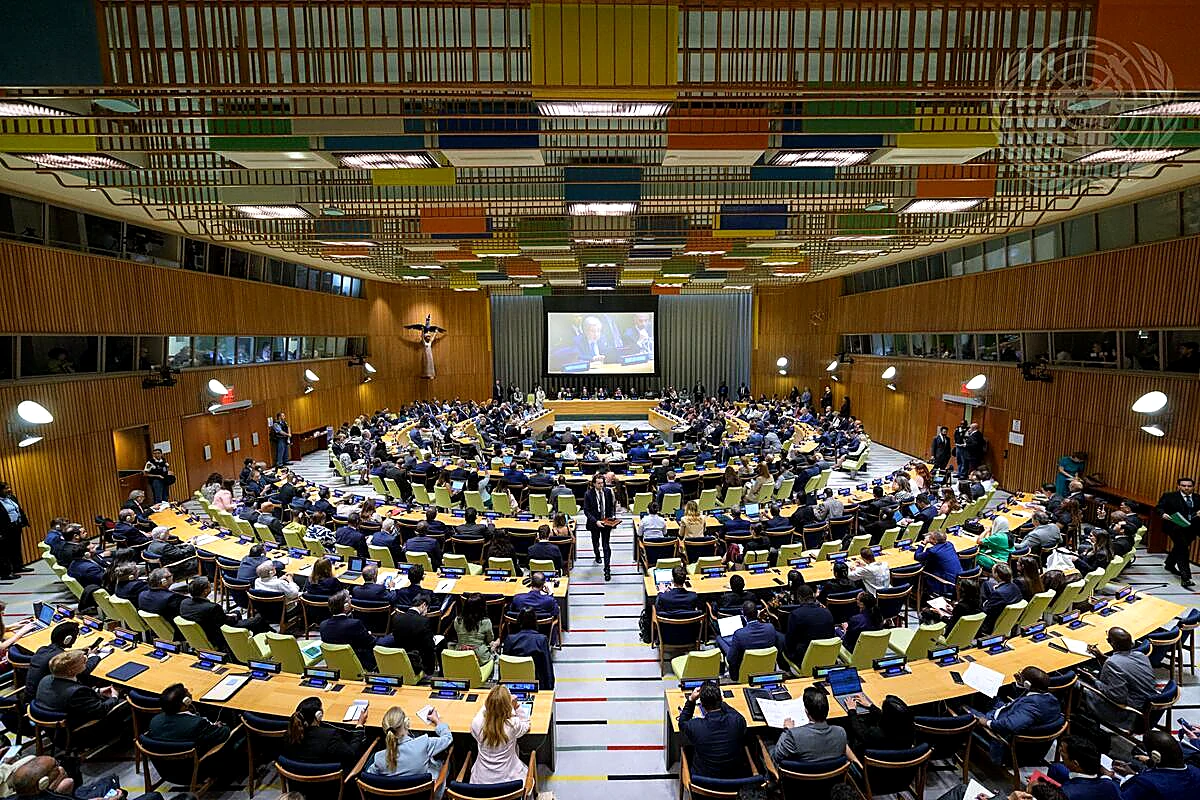
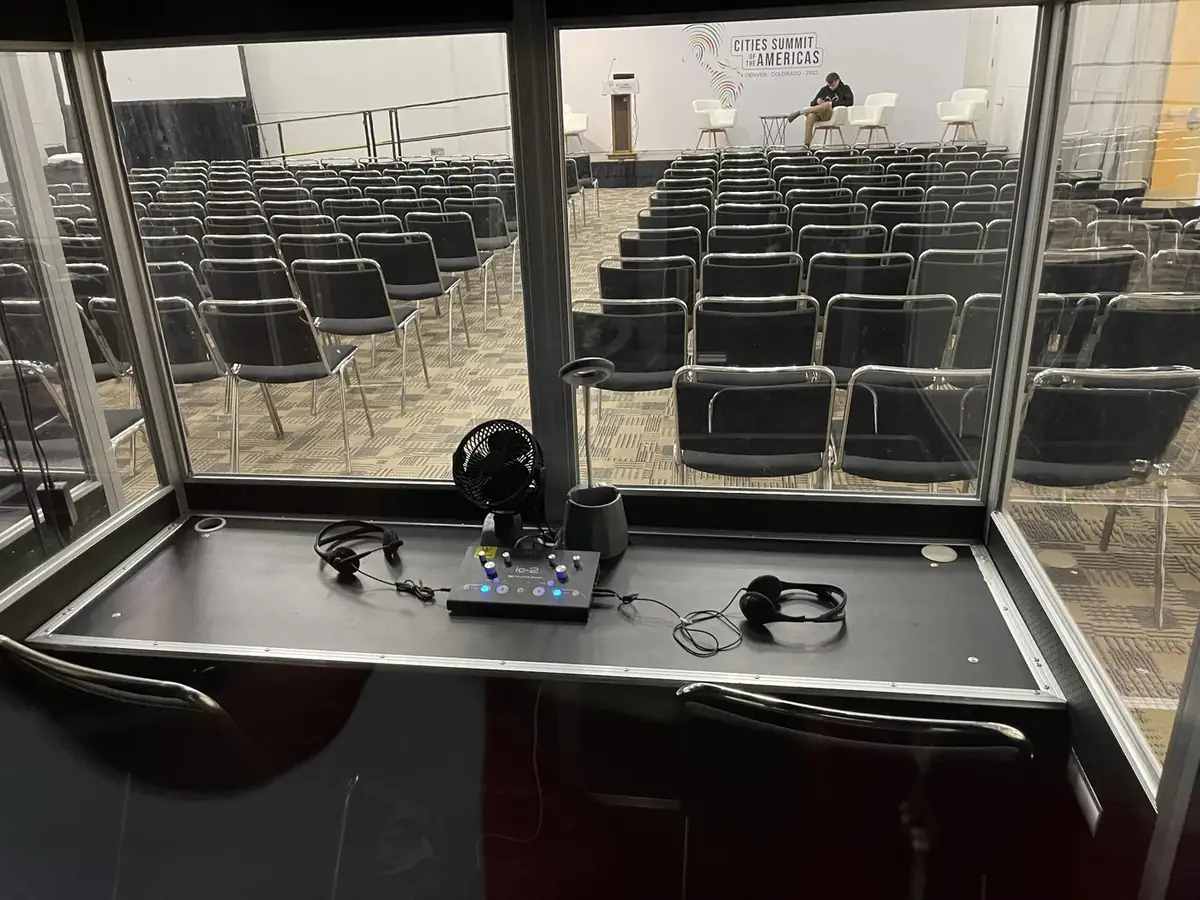
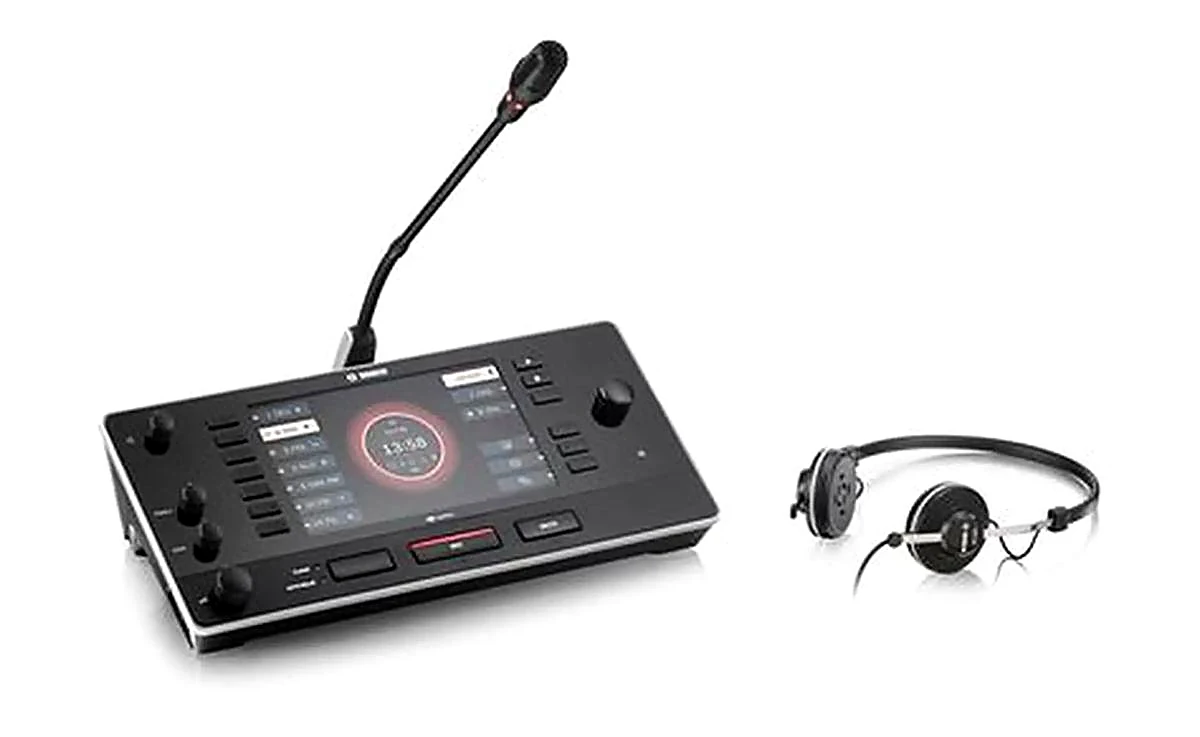
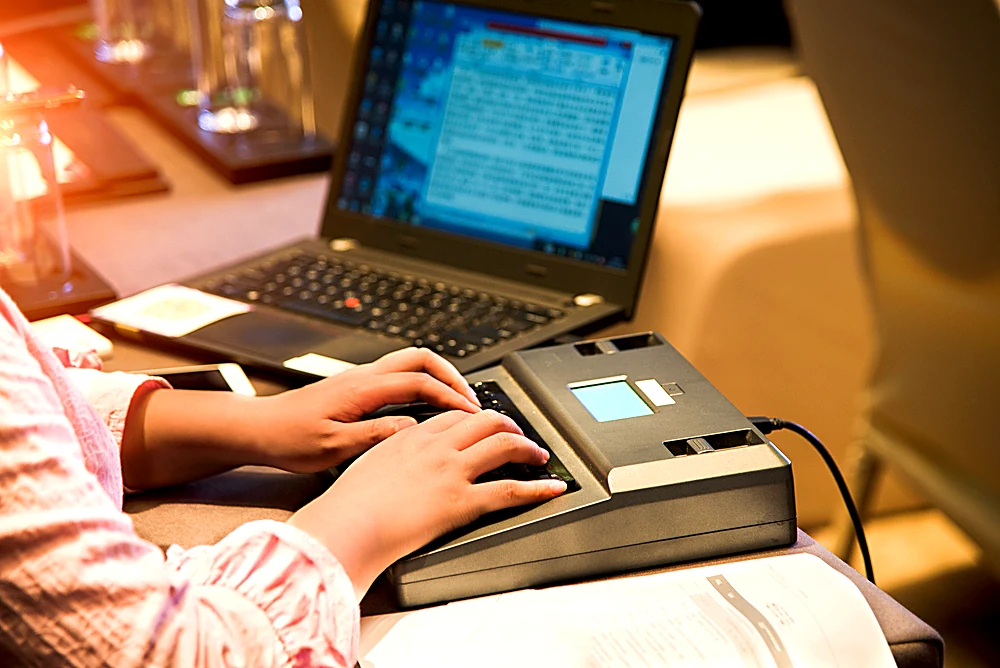
We size the system to your rooms, languages, and headcount: booth type, transmitter, receivers with spares, and microphones. Full-size booths need floor space and load-in access, sometimes a loading dock for a truck. We confirm those details with your venue before the event, not on the morning of it.
How do the interpreters, the AV team, and remote participants fit together?
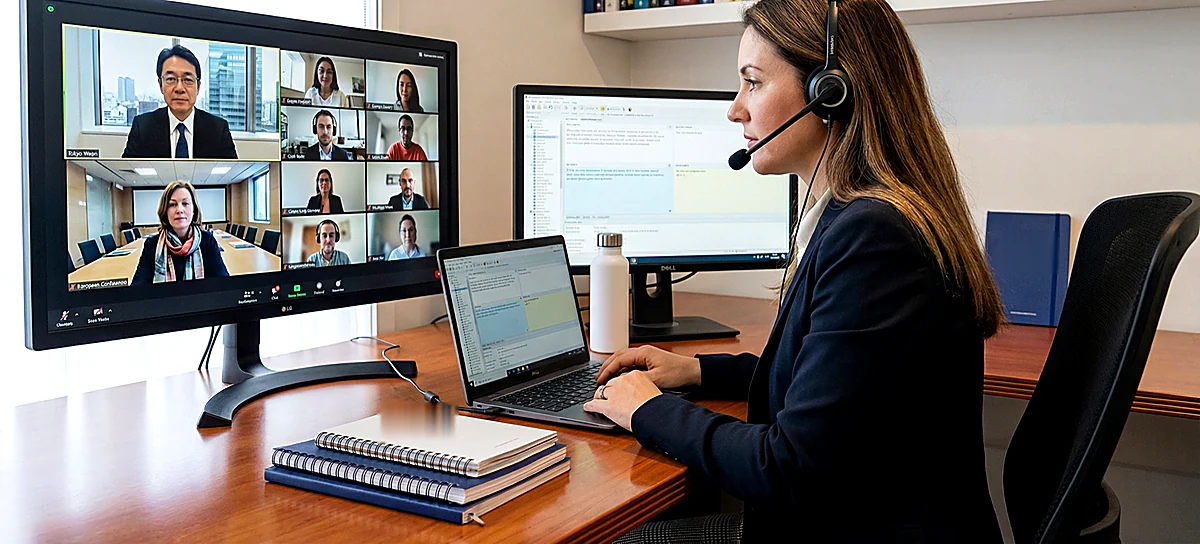
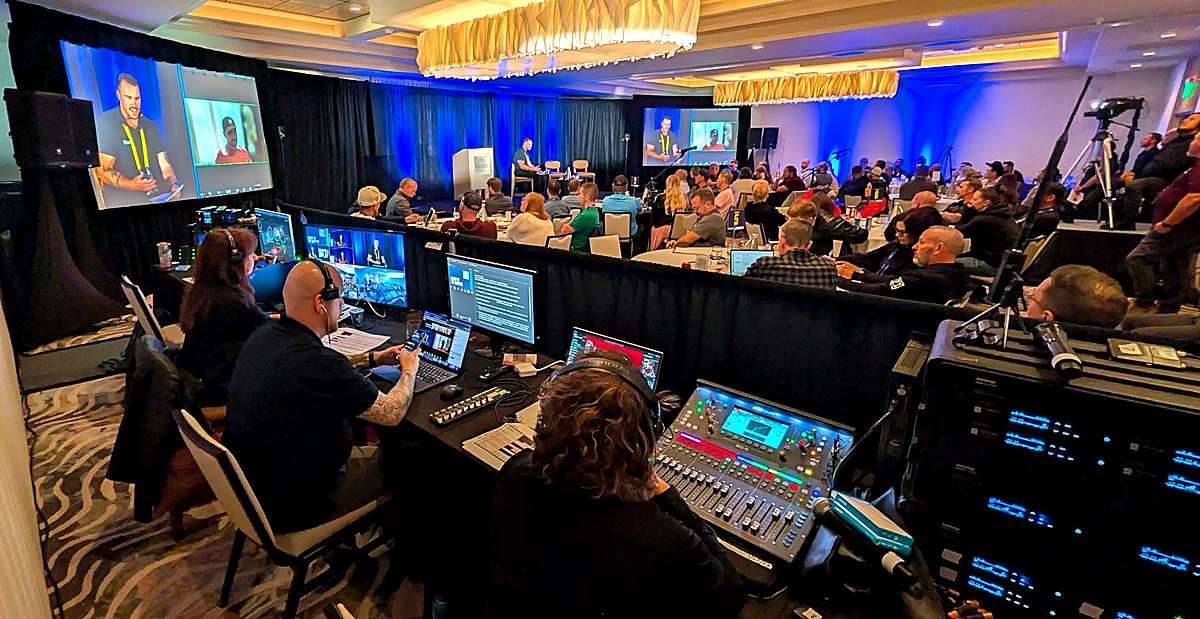
Interpreters need clean floor audio, and every audience needs the interpreted audio back. Our technicians connect the interpretation system to the venue’s sound and, for hybrid events, to the stream or meeting platform, and we rehearse the handoffs with your production team.
Our agenda keeps changing, and sessions run in parallel.
Concurrent breakouts each need their own interpreters and channel plan. We build the schedule room by room, keep it current as your agenda moves, and plan coverage for overruns and late changes.
What will this cost, and what do you need from us to quote it?
The main cost drivers are the number of languages, hours per day, concurrent rooms, attendee count, venue logistics, and travel. Send what you know and we will scope it. If details are still open, we will price the options so you can decide.
How far ahead should we book?
As early as your dates are firm. More lead time gives us a wider choice of interpreters for your subject, and for equipment rental we recommend booking at least two weeks before the event. If your event is sooner, call us: because we own our equipment, short-notice requests are often still possible.