
How we work
How we plan and deliver event interpretation
Good interpretation looks effortless on the day because the work happened weeks before. This is the process a TE project manager follows with you, from the first conversation to the last session.
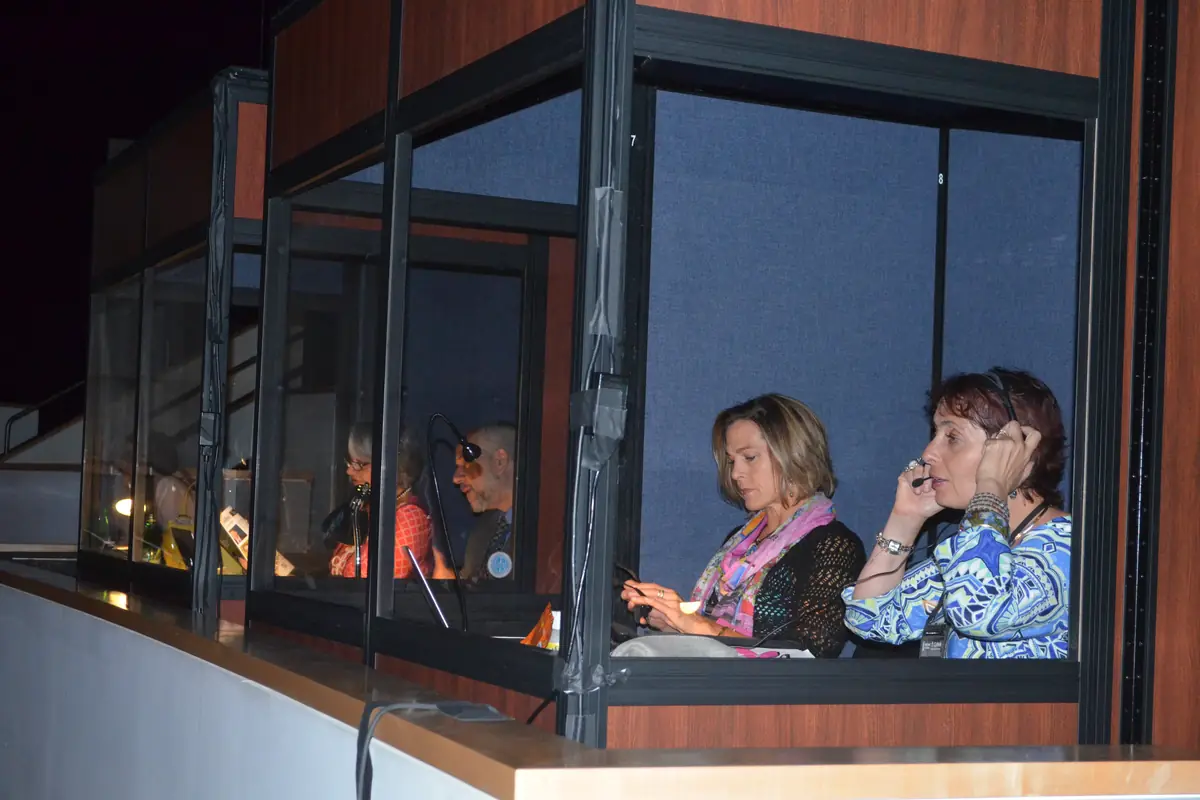
The process
Seven stages, one point of contact
Your project manager owns every stage below and is the person you call with questions, changes, and approvals.
-
Discovery call
We learn what the event is for, who is attending, and what success looks like. We ask about dates, venue or platform, languages, audience size, session grid, subject matter, and who is producing the AV.
-
Recommendation and quote
We recommend an interpretation mode for each session, the interpreter teams, the equipment, and the technical staffing, and send a quote that covers all of it. If details are still open, we price the options so you can choose.
- Government buyers: through our GSA contract or open-market purchasing
- Agencies: equipment and technicians only, on your terms
-
Interpreter selection
We assemble teams for your language combinations and subject, usually two interpreters per language per room, and confirm any relay needs.
-
Preparation and briefing
We collect your agenda, slides, speeches, speaker names, and terminology, share them with the interpreters, and set up a briefing with your speakers for technical programs.
-
Venue and technical planning
We confirm booth placement and sightlines, power, load-in and loading-dock access, the connection to the venue’s sound, receiver distribution, and for hybrid events, the stream and platform setup. We walk through the run of show with your production team.
-
Setup and testing
Our technicians install the booths and system and test every channel and receiver, with the interpreters, before attendees arrive. Remote and hybrid sessions get a technical rehearsal.
-
Delivery, then wrap-up
During the event, your project manager coordinates the interpreters and technicians and handles schedule changes as they happen. Afterward, we collect equipment, close out the engagement, and ask what we can do better next time.
Your part
What we will ask of you
A few things only you can provide make the biggest difference to quality.
Materials, early
Agenda, slides, speeches, and names, even in draft. Interpreters prepare from them.
A venue contact
Someone who can confirm floor space, power, access, and the AV company.
Changes as they happen
Moved sessions and new speakers. We keep the interpreter schedule in step.
If something goes wrong
Ready for what can go wrong
When something fails at a live event, it happens in front of your audience. We plan for it before the doors open.
Backup interpreters and spare equipment
Every event is planned with backup interpreters and spare equipment, so an illness, a delayed flight, or a failed receiver does not stop a session.
Technicians in the room
Our technicians install and test the system before doors open, stay for every session, and fix faults on the spot with the venue’s sound crew.
Recordings, transcripts, and a report
Session recordings, transcripts, and a post-event report are available. Arrange them when you book, because recording affects interpreter agreements.
Confidential by default
We can work under your non-disclosure agreement, remote interpretation audio is encrypted, and your materials are handled under our ISO/IEC 27001 certified information security system.
Questions
Process questions
How soon will we receive a quote?
As soon as we have the essentials: dates, location or platform, languages, and audience size. If we need more detail, your project manager will call you to fill the gaps rather than send a long questionnaire.
Who will be our contact?
One project manager, from the first call through the event. They coordinate interpreters, technicians, and your venue, and they are on site or online during the program.
What if our agenda changes after we book?
Tell us as soon as you know. We adjust interpreter schedules, rooms, and equipment, and confirm any change in scope or cost before it happens.
What happens if an interpreter is sick or equipment fails during the event?
We plan every event with backup interpreters and spare equipment, and our technicians stay for every session, so a sick interpreter or a failed receiver is replaced without stopping the program.
Can we get recordings, transcripts, or a report after the event?
Yes. Session recordings, transcripts, and a post-event report are available. Arrange them when you book, because recording affects interpreter agreements.
Is remote interpretation secure?
Yes. Remote interpretation audio is encrypted, we can work under your non-disclosure agreement, and your materials are handled under our ISO/IEC 27001 certified information security system.
Next step
Tell us about your event
Share the date, location, languages, and expected audience. We will come back with a plan for interpreters, equipment, and on-site support, and a quote you can take to your budget holder.
Reviewed by Nisar Nikzad, CEO · Updated